

“We Have Become Part of Curaçao”: A Close Read about Venezuelans in Curacao amid chaos
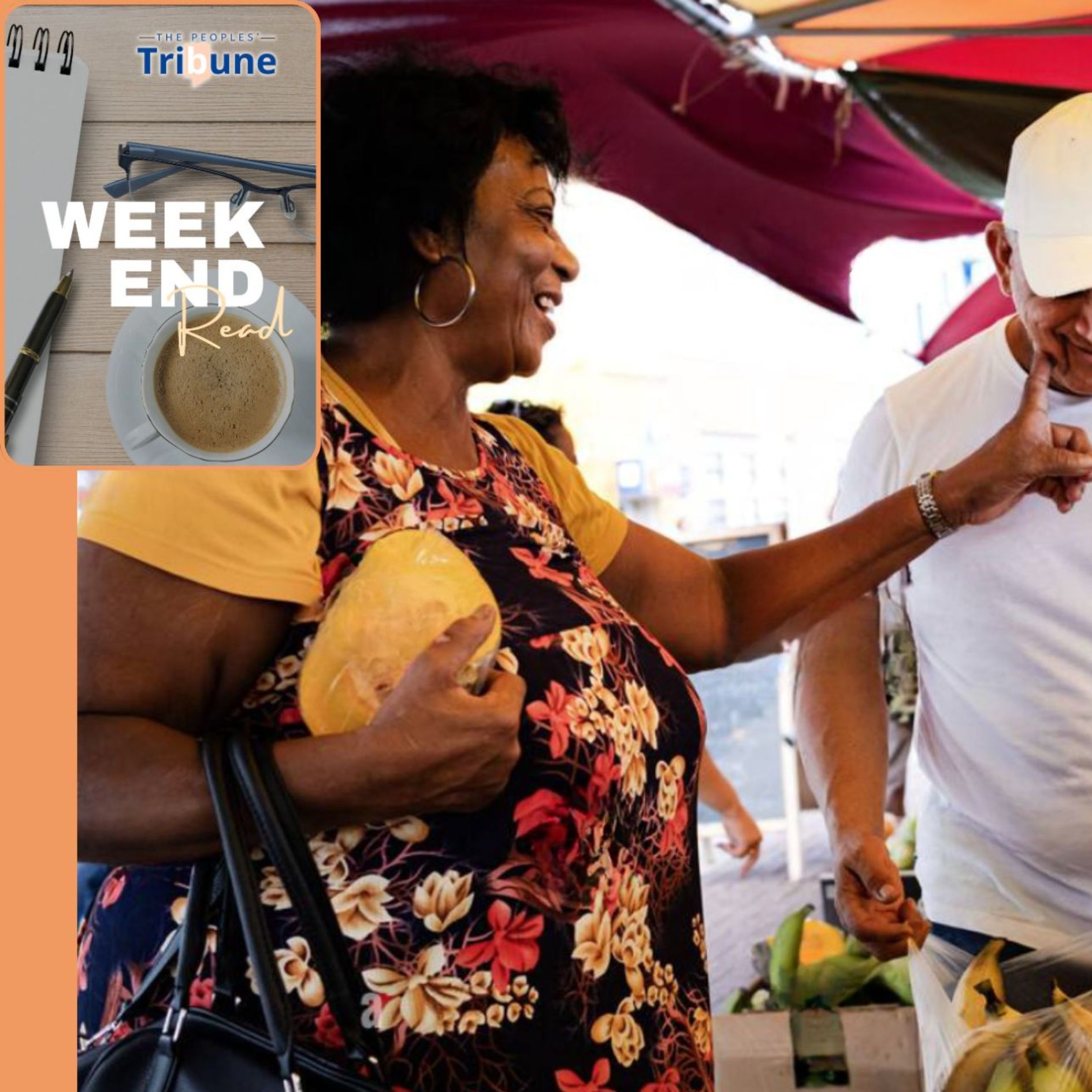
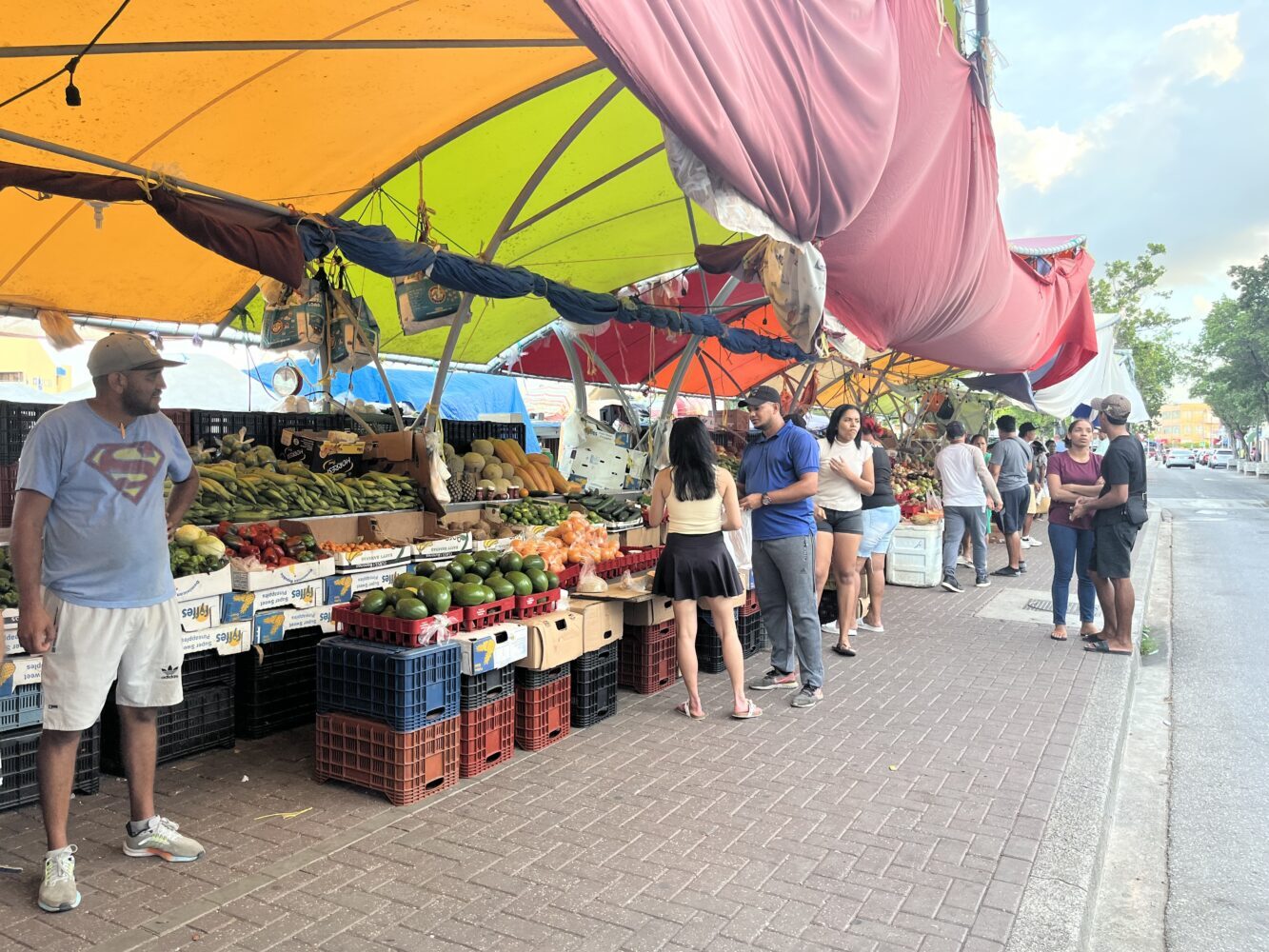
Caribisch Netwerk’s January 10, 2026 long-form feature by Dulce Koopman, titled “Living between two worlds: Venezuelans in Curaçao on hope, fear and change,” reads like a ground-level dispatch from Willemstad at a moment of regional shock. Rather than treating developments in Venezuela as distant geopolitics, Koopman frames them as something that lands immediately in Curaçao’s streets, workplaces, and family WhatsApp chains. The piece opens at the Venezuelan fruit boats in Punda, a setting that works as both marketplace and metaphor: commerce moving across the water, lives split between two shores, and a community that is visible in public but guarded when politics enters the conversation.
Koopman builds her narrative around contrast. At the fruit boats, the atmosphere is lively until the talk turns to Venezuela, then the tone tightens and anonymity becomes a condition of speaking. Those vendors describe both relief and anxiety, relief because the boats were allowed to sail again after a brief stop connected, in the article’s account, to recent US actions in Venezuela. The vendors also make a direct economic claim, that they contribute meaningfully to Curaçao’s economy, and Koopman situates the boats as part of the island’s daily streetscape and a tourist draw. The reporting choice here matters because it shifts “migrants” from an abstract category into workers embedded in Curaçao’s routine, while still showing how fear can silence even people who are highly visible.
A second voice in the feature widens the lens beyond the quay. Koopman introduces a Venezuelan contractor who has lived on Curaçao for a decade and works in pool construction and maintenance. He speaks more openly about his feelings, yet still asks that his name not be published, a detail that underlines the article’s main tension: people may be willing to talk, but safety concerns shape how far they can go. In his telling, news of Maduro’s arrest reached Curaçao through family in Venezuela, at first as disbelief and questions, then as confirmation. Koopman uses his reaction to show how political events translate into personal stakes, including whether reunification is possible, whether other countries might reopen doors, and whether violence or unrest could threaten relatives back home.
One of the strongest passages is where the contractor describes fear as something taught and enforced over time. He frames fear as psychological conditioning, the idea that speaking freely can carry consequences not only for you, but for family members. Koopman pairs that with his migration timeline, first leaving Venezuela for Ecuador in 2017, then arriving in Curaçao in 2018, and his current situation of still working to regularize residency and a work permit. The effect is to show how “safety” is not a simple destination, it is a fragile status that depends on paperwork, policy, and luck, even for someone who has found stability through work.
Koopman then pivots to people with even less protection: undocumented Venezuelans who, in her reporting, are “holding their breath” as the situation shifts again. A former Venezuelan civil servant, undocumented for eight years, describes a small-boat crossing with 28 people, the drowning of six passengers, and arrival in the early morning followed by flight into the mondi. For readers unfamiliar with Curaçao, “mondi” refers to the island’s rough, scrubby terrain and bushland, a place to hide, but also a place of exposure, thirst, injury, and disorientation. This section is written to make the costs of migration concrete, not only the crossing itself but what happens after: sleeping outside, abuse, exploitation, and low-paid work described as close to slavery. Koopman also includes a rare instance of institutional support during COVID, when he was registered and assisted through the Red Cross, and she lets him hold two truths at once: deep pain about Venezuela, and a growing identification with Curaçao.
Another undocumented man, 50 years old, adds a different angle: roots forming on the island through a Curaçao partner, and the practical question of whether “return” is even a clean concept anymore. In this way, the feature avoids a simplistic ending where political change automatically equals homecoming. Koopman’s Curaçao is a place where identity becomes layered over time, where “Venezuelan” and “Curaçaoan” can exist in the same sentence without irony, even when legal status remains unresolved.
The piece closes where it began, back at the fruit boats as night falls and vendors clean up, sleeping on their boats at the quay so they can start early again. Koopman uses a set of blunt, sometimes conflicting quotes to capture a community that is not politically uniform: pride in work and family support, determination to keep coming if allowed, rejection of foreign invasion, and frustration that Maduro did not leave earlier. That contradiction is the point, the feature suggests that diaspora politics is rarely one clean story, especially when people are weighing survival, fear of reprisals, loyalty, and exhaustion from years of instability.
What Caribisch Netwerk and Koopman ultimately deliver is a portrait of proximity: Venezuela is not “over there” for these residents, it is in their phone calls, remittances, risk calculations, and the quiet decision of whether to attach a name to a sentence. The reporting shows Curaçao not only as a receiving island, but as a place where Venezuelans have become part of the economy and the social fabric, while still living with uncertainty that can tighten overnight, as fast as a rumor becomes news and as fast as a boat route can pause or restart.