

Traffic Relief Roadmap: MP Jansen-Webster suggests bottlenecks relief and new routes
.jpg)
(The Peoples' Tribune asked all MPs/factions for their practical ideas, approach and suggestions to address the traffic challenge on St. Maarten)
GREAT BAY--MP Veronica Jansen-Webster has outlined a multi-layered roadmap for easing traffic congestion and improving road infrastructure in St. Maarten, combining immediate enforcement measures with targeted network upgrades and longer-range projects that would reshape how vehicles and people move across the island.
In responding to an invited comment from The Peoples’ Tribune, MP Jansen-Webster said the traffic situation is not a new concern for her. She noted that she has been thinking about the issue for some time, held informal discussions with former VROMI employees to test ideas, and drew on insights gained while working in cabinets under multiple VROMI ministers. She also referenced the period when she served as acting Minister of VROMI, describing that experience as an opportunity to revisit older plans that, in her view, could still be effective if properly executed.
Jansen-Webster said she intends to share her proposals with the ministers she considers most central to implementation, the ministers of Justice, TEATT, and VROMI. Her recommendations are grouped into short-term actions aimed at improving daily traffic flow, medium-term interventions designed to relieve recurring choke points, and long-term investments that would expand the road network and introduce alternative transport options.
Short-term actions focused on order, flow, and basic road conditions
A key theme in Jansen-Webster’s short-term proposals is that traffic can move better, almost immediately, when lanes are used correctly, rules are enforced consistently, and road conditions do not force unnecessary braking or swerving.
One of her first suggestions targets a familiar problem near Cay Bay. She proposes adding a filter lane to stop drivers from using the left lane and then cutting across the right lane to turn into Cay Bay. The intent is to reduce conflict points created by last-second lane changes, which slow traffic and increase the risk of minor collisions that can gridlock entire stretches of roadway.
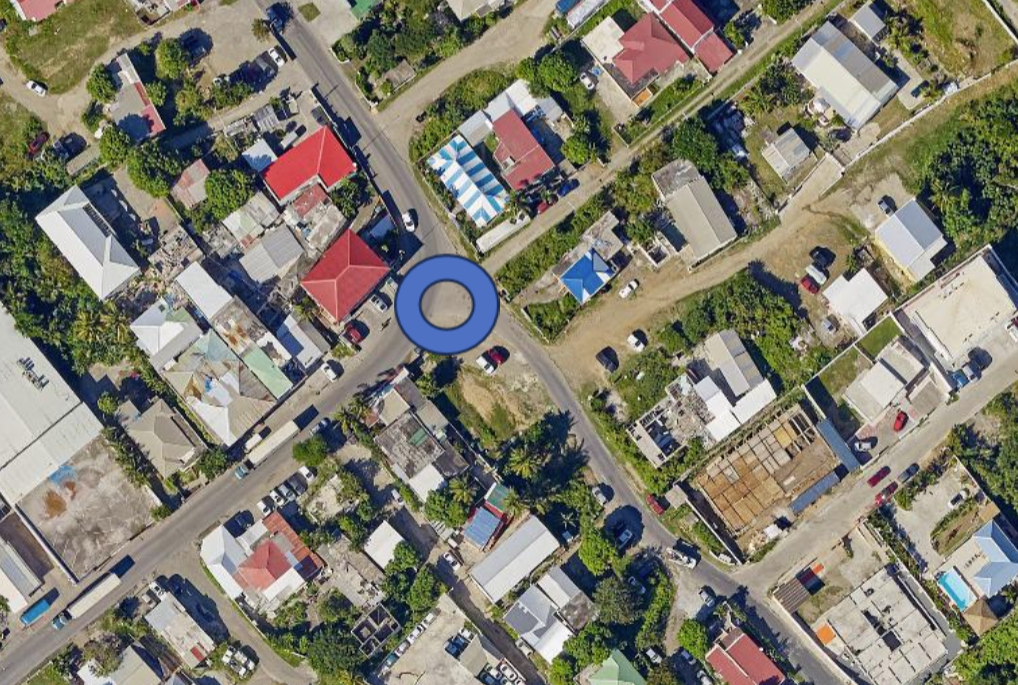
She also calls for the expanded use of traffic controllers during peak hours, particularly in the Cole Bay and Simpson Bay areas, similar to the approach already used in Cul de Sac. In her view, additional peak-hour support may also be needed in the Madam Estate and Illidge Road area, and in the Welgelegen and Brouwers Road area, at least until roundabouts can be installed to manage flow more safely and predictably.
Enforcement plays a central role in her short-term plan. Jansen-Webster argues that buses that fail to pull off the road should be fined, and she proposes empowering traffic controllers to issue those fines. She also suggests stronger use of existing camera infrastructure, including using police camera footage to document infractions and generate fines automatically, where the legal and technical framework allows.
Parking, she notes, is another daily contributor to congestion, particularly where illegal or improper parking narrows already tight roads. She recommends upholding parking restrictions more aggressively, again pointing to fines and potential camera support as tools to keep key routes clear.
Basic road quality is included as a practical traffic measure rather than a cosmetic one. Jansen-Webster calls for fixing potholes and uneven sections of road, and she adds a compliance point aimed at utility works. She says utility companies should be required to restore roads to their prior state after trenching, describing this as part of concession obligations that, in her assessment, are not being adequately controlled. Poor repairs, she implies, do not only damage vehicles, they slow traffic and turn smooth corridors into rolling bottlenecks.
She also points to road markings and signage as low-cost improvements with real impact. Refreshing road markings, combined with improved signage, would help drivers position themselves earlier, reduce abrupt lane changes, and create more predictable movement, especially for visitors unfamiliar with the network.
.jpg)
Finally, Jansen-Webster proposes tougher, routine enforcement against unauthorized drivers and non-compliant vehicles. She recommends continued controls, with vehicles driven by unlicensed drivers, without valid insurance, or with unpaid road tax being impounded until documents are brought up to date. She acknowledges this requires space to store vehicles, and suggests a temporary solution, using an empty lot created after the clearing of squatters on Pond Island, followed by regular auction days to dispose of unclaimed vehicles within a month to prevent a backlog.
Medium-term measures to redesign choke points and reduce arrival surges
In her medium-term proposals, Jansen-Webster focuses on structural adjustments that can relieve congestion without waiting for a full island-wide rebuild.
One idea revisits the way the causeway was originally designed, particularly the intention to widen Union Road and adjust traffic flow onto that corridor. While full widening may take time, she argues the flow issue can be addressed sooner by limiting how many side roads feed directly into Union Road. She suggests that not every side road should have access, and that selected roads, such as Narrow Road, Well Road, Orange Grove Road, and others, could be converted into one-way routes that only allow vehicles to exit Union Road rather than enter it. The objective is to reduce the stop-and-go friction created by too many entry points and turning movements.
Another medium-term recommendation connects traffic management to airlift. Jansen-Webster proposes negotiating with airlines so arrivals are not clustered into the same peak hour. She describes the current pattern as outdated and says St. Maarten “can’t handle it anymore,” urging a spread in arrival times, particularly for larger aircraft. The expected benefit is a reduction in simultaneous airport-related movements, including people driving to depart, those driving to collect arriving passengers, and arriving travelers moving toward hotels, rentals, or homes.
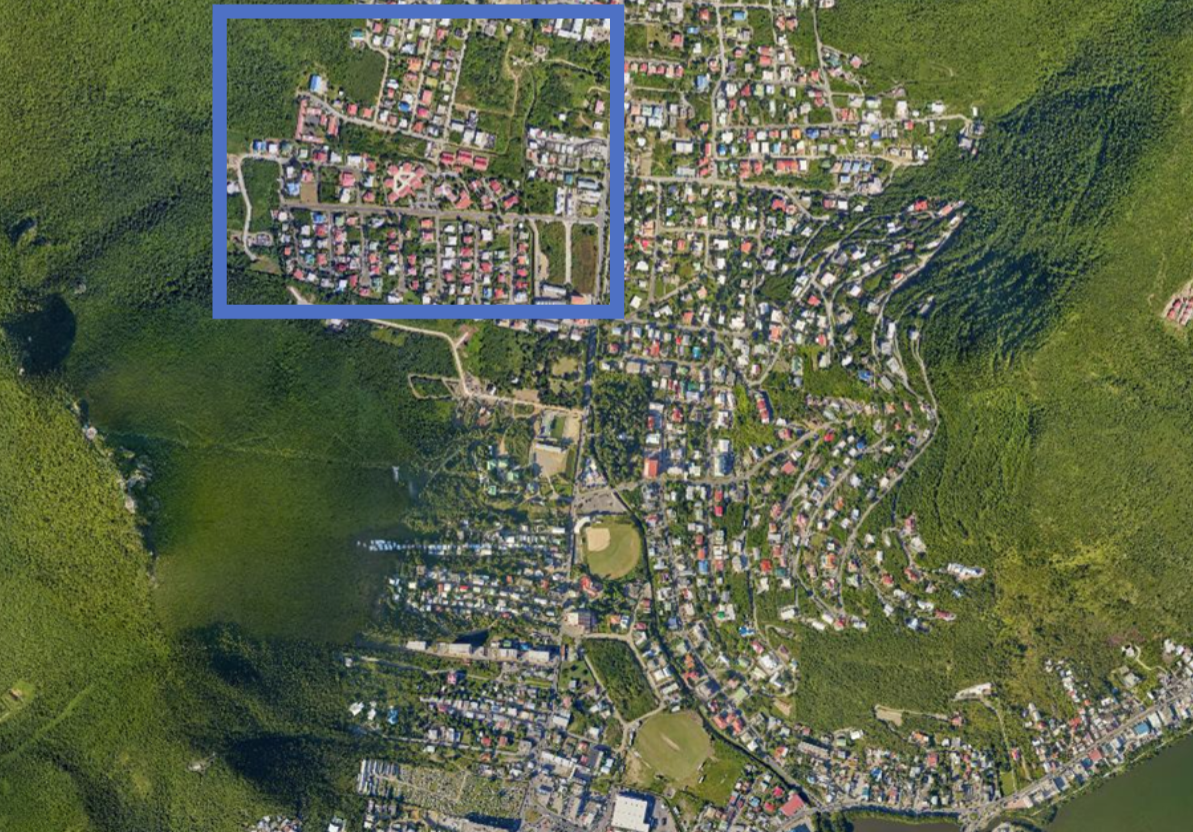
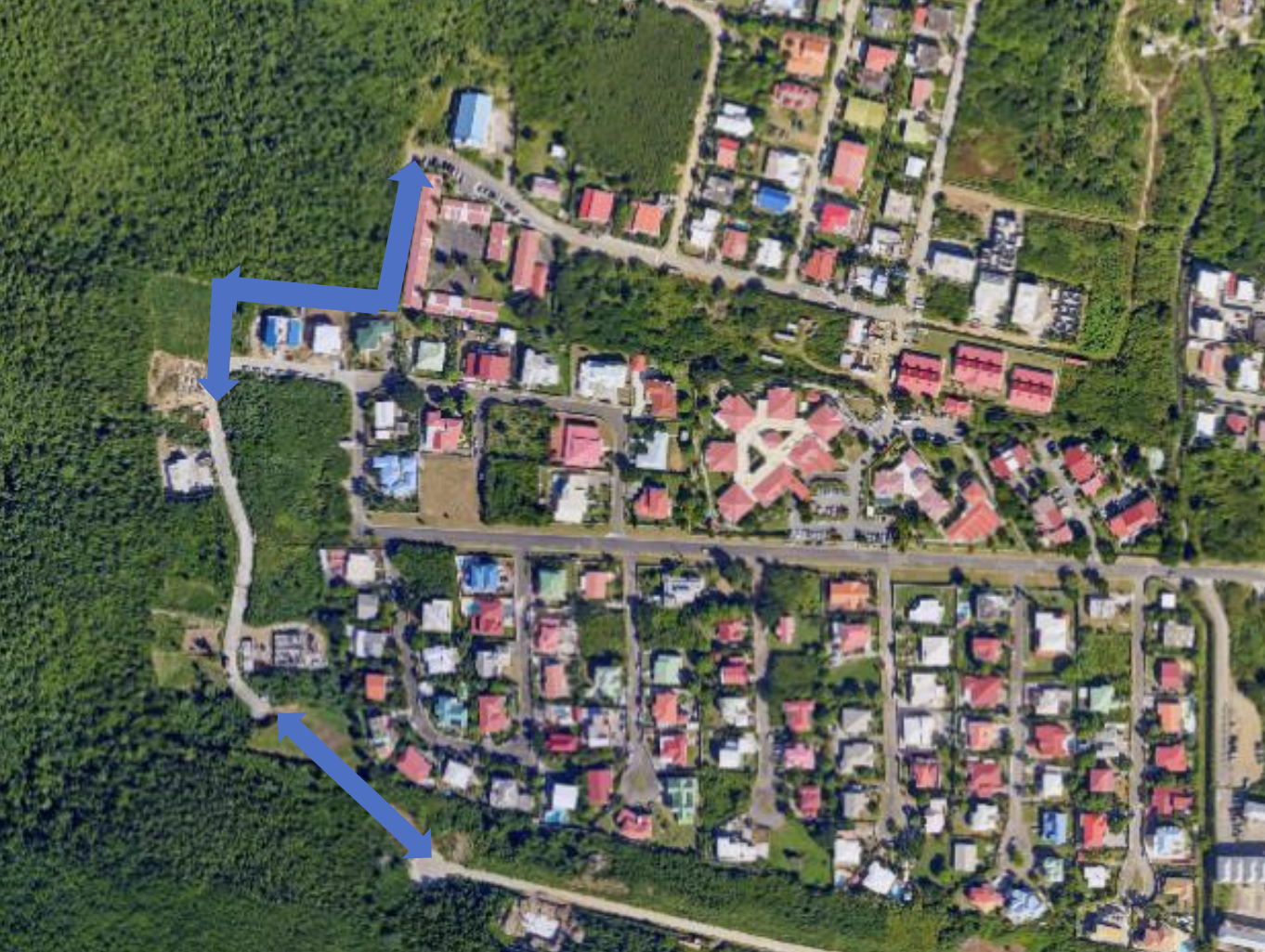
She also includes two concrete infrastructure items, a roundabout near the John Cooper and Jose Lake ball park, and a set of road connections intended to relieve the LB Scott Road corridor. Her proposal would join Blueberry Road to Durant Road, then link Durant Road to Kenepa, aiming to reduce the bottleneck on LB Scott Road by providing an alternative route for traffic coming out of St. Peters. Under this approach, LB Scott Road would carry more local, area-specific traffic, while through-traffic from St. Peters could bypass the most congested stretch.
Long-term projects aimed at completing the network and adding alternatives to roads
For the long term, Jansen-Webster’s plan expands into a broader network vision, completing unfinished links, adding capacity where it is most constrained, and introducing transport alternatives that could reduce pressure on roads in tourist-heavy corridors.
She calls for completion of the road network plan that included Link 1, with specific reference to making Arlet Peters Road and G A Arnell Road, also known as the old Cake House Road, two-way. She adds that this plan includes installing a roundabout at the old Cake House junction and at the Union Road junction to improve safety and maintain flow.
She also points to Link 6, described as opening the Cul-de-Sac basin to Dutch Quarter, with the aim of giving drivers from French Quarter, Dutch Quarter, and Upper Prince’s Quarter a more direct route to the largest school area. The underlying purpose is to remove school-run traffic from already overburdened roads and give families a route that is shorter, less conflict-prone, and less likely to trigger chain-reaction congestion during peak hours.
Completion of a ring road to channel traffic out of town is included as another long-term priority, along with placing a roundabout in Madam Estate, a location she already highlighted as needing peak-hour traffic control in the near term.
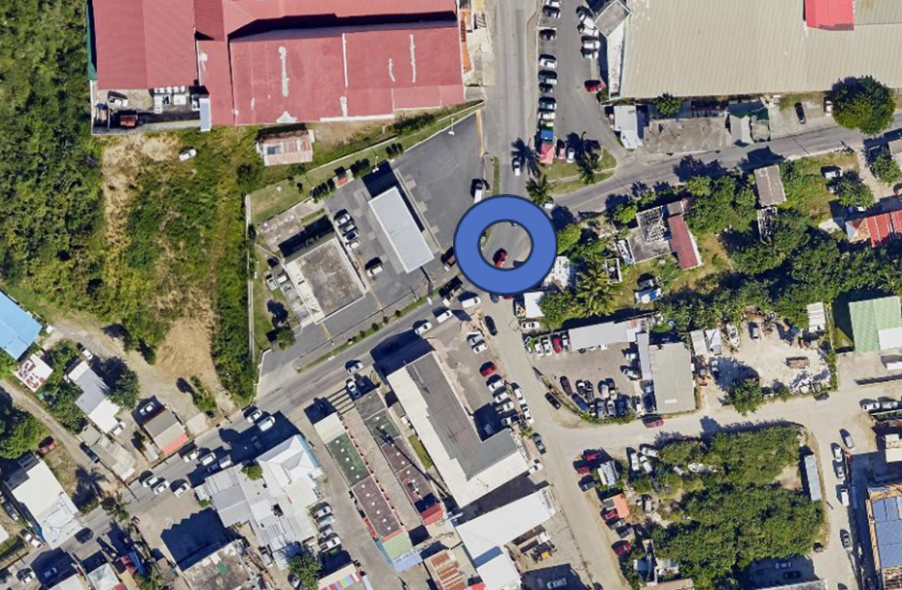
Jansen-Webster also references a past land acquisition tied to the Coralita Road area. She says government previously purchased property along Coralita Road with the intention of connecting Red Roses Road, the road in front of the current Cake House, to Coralita Road. Completing that connection, she notes, would require a roundabout at the Coralita Road and Zagersgut junction.
Widening Union Road remains part of the long-term picture, and she suggests engaging landowners along the corridor to achieve it. She says this type of widening has been done successfully elsewhere on the island in the past, referencing Zorg en Rust as an example, even if on a smaller scale.
Her proposals also extend beyond the Dutch side, emphasizing that the French side should be consulted to develop alternative routes in and out of Marigot, since traffic conditions there contribute to major backups that spill back toward Dutch-side roads. She recommends opening the Marigot Hill road to Concordia as one option to improve flow into and out of Marigot.
Additional network expansion includes completing the LB Scott parallel road, envisioned to pass behind St. Johns and the Cul de Sac cemetery and connect outward to Ginger Road or another point closer to the Cul de Sac roundabout. The aim is consistent with her earlier LB Scott recommendations, provide alternatives so a single corridor does not carry every movement.
To reduce dependency on cars and buses in the most congested tourism corridors, Jansen-Webster proposes exploring a monorail or train system connecting Maho and Simpson Bay directly to Philipsburg and the harbor, either through public investment or by attracting investors. She also suggests investment in, or attraction of investors for, a water taxi service running from the harbor to Maho, aimed at tourists who primarily want to see planes landing, which she describes as a major attraction.

A staged approach, with three ministries at the center
Taken together, Jansen-Webster’s proposals present a staged approach that starts with practical interventions and enforcement, then progresses to targeted redesigns, and finally expands into network completion and new mobility options. Implementation, she argues, would require coordination across ministries, particularly Justice for enforcement, TEATT for elements tied to transport and tourism activity, and VROMI for the infrastructure planning and execution.
Her central message is that meaningful relief is possible at multiple time horizons, including steps that can reduce friction in the current system while larger projects, negotiations, and long-term investments move through planning and execution.
Finally, the MP also suggested that VROMI reviews the maps and decide the actual names of the roads on St. Maarten. Two different maps are showing two different names for the same road.