

New Year, New Horizons: What the "Panama Powerhouse" Can Teach St. Martin
%20(4).jpg)
Happy New Year, St. Martin! As we step into 2026, I find myself looking at our "Friendly Island" through a fresh lens. My recent travels have taken me from the skyscraper-lined shores of Panama City to the misty mountains of Jarabacoa in the Dominican Republic. The contrast is more than just geographic, it’s a masterclass in tourism evolution.

Panama is often called the "Hub of the Americas." While it is significantly larger than our 37 square miles, the lessons it offers for our aviation and port sectors are sharp, scalable, and incredibly relevant to our mission.
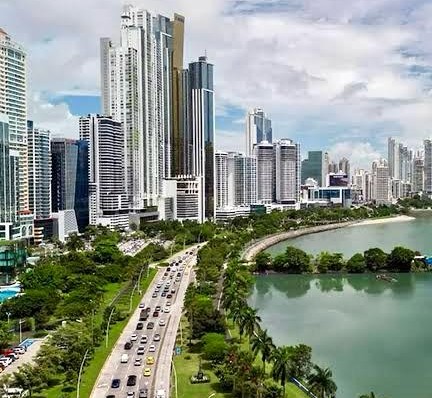
1. The Hub Mentality: Beyond the Stopover
Panama’s Tocumen Airport isn't just a place where planes land; it’s an economic engine. They have mastered the "Stopover Program," encouraging transit passengers to leave the airport for 48 hours to explore the Canal or visit an indigenous village.
The Lesson for SXM: We host the busiest airport in the Northeastern Caribbean, but we must ask ourselves: are we a "hub" or just a "hurdle"? Imagine this: A traveler from Paris or New York lands at Princess Juliana International (SXM), but instead of rushing to a connection, they are enticed by a seamless "SXM Stopover" to spend two nights enjoying our world-class dining before heading to Anguilla, St. Barths, Statia or Saba. Let’s stop seeing transit as lost time and start seeing it as a "teaser" for a full vacation.
2. Efficiency is the Ultimate Amenity
At the Port of Balboa and the Panama Canal, time is money. Their maritime logistics are seamless because Panama understands that a cruise ship or cargo vessel only returns if the experience is frictionless.
The Lesson for SXM: Our port is world-class, but our "land-side" experience can still hit bottlenecks. Panama teaches us that a great port requires great land infrastructure. To remain #1 in the Caribbean, we must ensure that once a passenger steps off that pier, the flow to Great Bay, Marigot, or Grand Case is as smooth as a Panama Canal lock. Efficiency is not just a technicality; it is a hospitality standard.
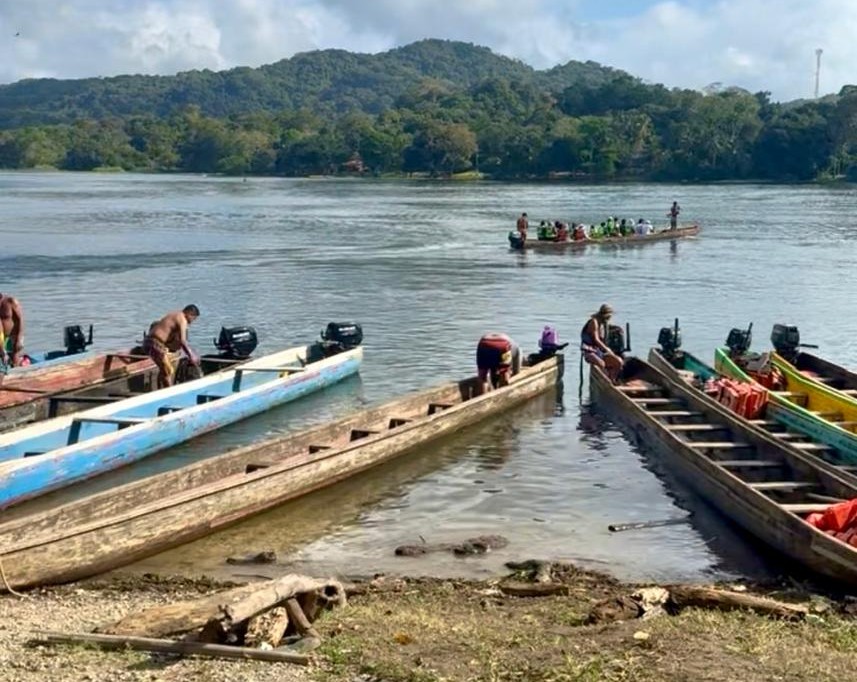
3. The "Indigenous" Edge: Authenticity Wins
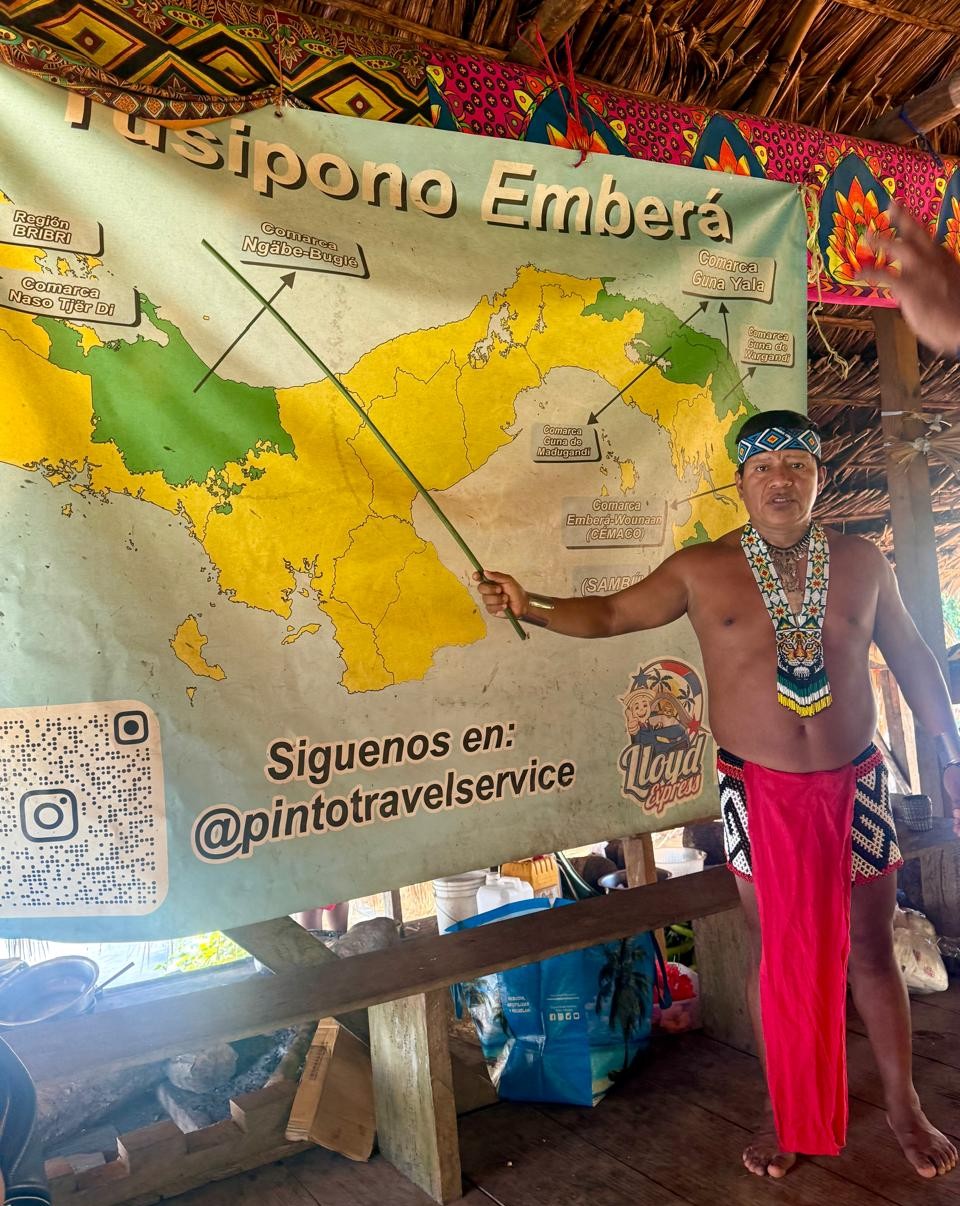
Perhaps the most moving part of my trip was visiting the indigenous communities. In the shadow of Panama’s multi-billion dollar skyline, travelers journey for hours to sit in thatched-roof huts and learn ancient traditions.
The Lesson for St. Martin: If Panama can sell "tradition" alongside "high-finance," we can certainly sell our heritage alongside our "Duty-Free" status. Imagine this: A visitor who comes for a luxury watch but stays for the story of our salt pans, our traditional architecture, and our culinary roots. The 2026 traveler doesn’t just want a deal; they want a connection. Our history isn't a distraction from modern tourism, it is our most premium product.
A Persuasive Resolution for 2026
Panama proves that you can be a global transit giant and a cultural sanctuary at the same time. Imagine this: A St. Martin where our airport, port, and heritage sites work in perfect harmony to create a system that captivates every visitor who touches our soil.
The competition is waking up. From the mountains of the DR to the canals of Panama, the region is moving fast. This year, let’s resolve to do more than just "talk" tourism, let’s lead it.