

Dutch MPs warn that Bonaire residents are paying the price for Dutch European migration, housing, services disparity
.jpg)
THE HAGUE--Growing migration from the European Netherlands to Bonaire is increasingly being framed in Parliament as a disadvantage for local residents, especially as higher demand collides with limited space, scarce housing, and public services that cannot expand at the same pace. In written questions tied to the 2026 Kingdom Relations and BES Fund budget, MPs warned that demographic growth is translating into daily pressure for Bonaire families, higher housing costs, longer waiting lists, and a sense that the island’s development trajectory is being shaped faster than local capacity can absorb.
Parliamentary factions linked these concerns to the government’s response to Gerichte Groei, a report by the State Commission on Demographic Developments on Saba, Statia and Bonaire 2050. MPs pressed for clearer leadership, more decisive policy choices, and practical tools to keep population growth aligned with what Bonaire can realistically support. The submissions reflect an underlying message: demographic trends are not neutral, and if policy does not actively protect livability and affordability, the burden falls first on residents who are already rooted in the local economy and social fabric.
A recurring theme in the questions is housing, including the fear that a growing share of construction and real estate activity is being pulled toward higher-income demand, second homes, and recreational use, while Bonaire residents remain stuck in longer lines for affordable housing and social rental units. MPs asked for more transparency on the size of the second-home market and how many houses are not permanently occupied, arguing that without a clear picture of how housing stock is being used, government cannot credibly claim it is prioritizing local needs. MPs also questioned whether recreational housing policy should be treated as part of the broader effort to manage demographic pressure, rather than as a separate issue.
The questions from MPs also point to the knock-on effects that follow when housing becomes the bottleneck. Higher rents and higher purchase prices can reshape who can stay, who can return, and who can build a future on the island. MPs warned that, in a small market, even moderate inflows can quickly distort affordability, and that housing pressure then spills into social outcomes, including overcrowding, longer commutes, and greater stress on the most vulnerable households.
Over the past two years, residents and local voices on Bonaire have repeatedly described housing pressure as the most visible downside of rapid growth. In a 2025 report by Caribisch Netwerk, a local representative pointed to a waiting list of roughly 1,000 to 1,200 people for social housing, while residents described rents as out of reach relative to local wages, including one young mother who said her income nearly disappears into housing costs and cited rents around $850 for small “shoebox” style homes.
Those lived experiences line up with broader analyses warning that Bonaire’s tight housing market is being squeezed from multiple directions, including a growing group of migrants from wealthier countries and continued tourism growth. An Economisch Bureau Amsterdam analysis prepared for a Dutch parliamentary roundtable said the island’s shortage, especially of social rental units, appears to be worsened by these economic and demographic trends, because both tourism and higher-income in-migration increase demand for the existing housing stock.
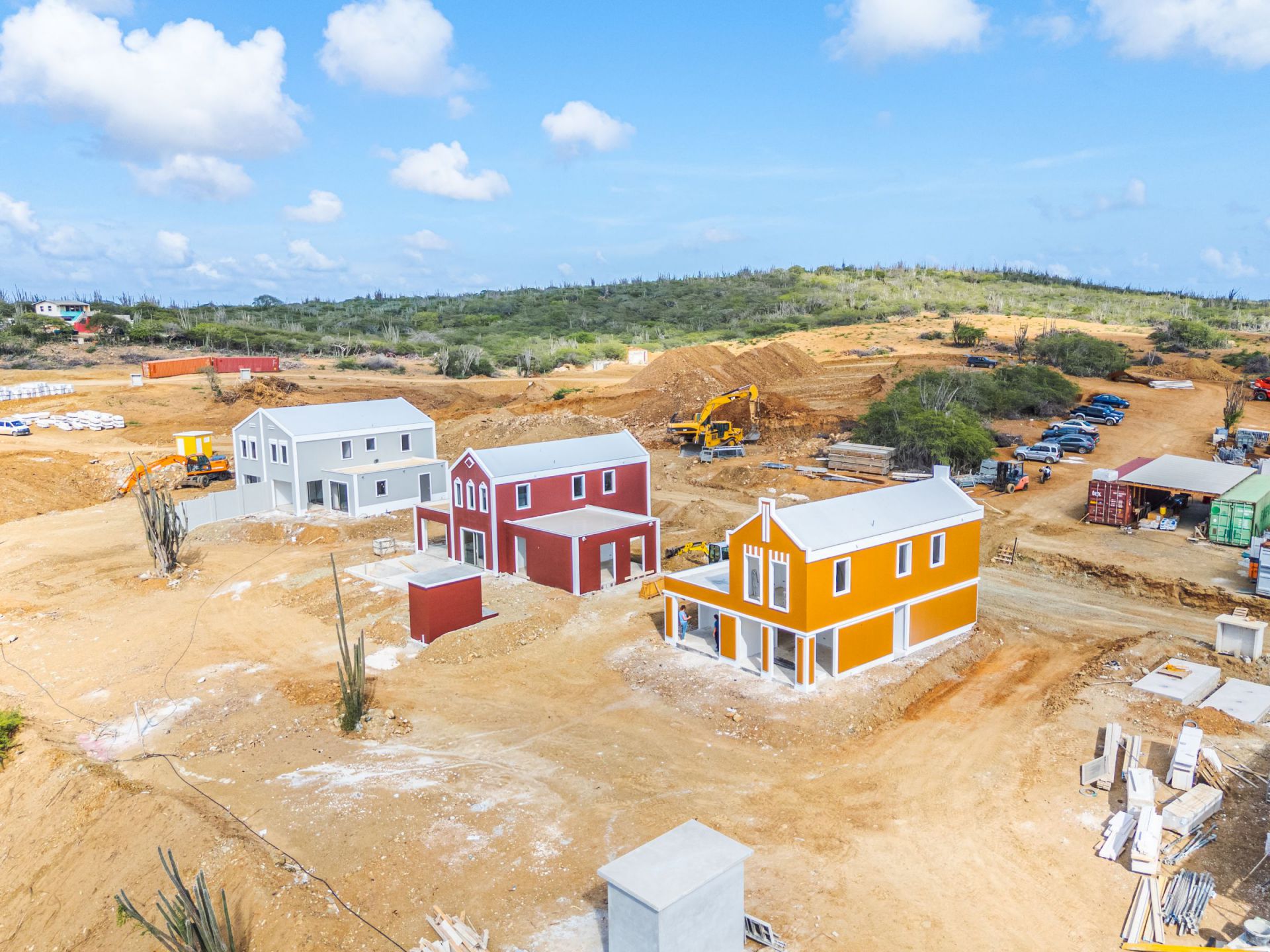
Separate from parliamentary debate, rights advocates have also echoed what many Bonaire residents have been saying about day-to-day realities. In 2025, the Netherlands Institute for Human Rights noted that people in on the BES islands are worried about high living costs and that housing has become a major expense, with shortages of social and affordable rentals pushing many households into the private market where costs remain high, and access to support is limited or complex.
Beyond housing, MPs emphasized that demographic growth touches every essential service at once. The questions highlight the risk that migration and admission policy may move faster than Bonaire’s capacity in health care, education, and basic public administration. MPs asked where policy has already outpaced capacity, and what concrete measures exist to bring demographic policy into better alignment with local execution limits. The repeated concern was not theoretical, it was framed as a practical reality on a small island where land, staffing, and infrastructure cannot be expanded quickly.
Staffing was raised as a critical vulnerability, particularly where services increasingly depend on recruiting personnel from the European Netherlands. MPs highlighted that such recruitment can create practical challenges, including language gaps in classrooms and care settings, and they stressed the importance of ensuring that local languages, including Papiamentu, are respected in service delivery. In that context, the submissions signal a broader concern about cultural fit and accessibility, not only whether services exist, but whether residents can fully use them in a way that matches local realities.
MPs also questioned how demographic policy is being coordinated across government, arguing that the pressure does not sit neatly within one ministry’s portfolio. The submissions point to a governance challenge: when responsibilities are spread across ministries, unclear leadership can lead to delayed decisions, fragmented responses, and policy that arrives too late. MPs asked who is ultimately in charge of integrated demographic policy for Bonaire, what happens when ministries’ priorities conflict, and who carries responsibility when the island reaches practical limits.
Infrastructure pressures were also highlighted, including road congestion and the continued absence of a fully functional public transport system. MPs questioned why progress remains slow on basic mobility solutions, especially as population growth increases daily demand on road networks. They also returned to waste management concerns, including the Selibon landfill, and asked for clarity on financing needs and urgency, signaling that demographic growth without parallel environmental and infrastructure investment can produce long-term public health and environmental consequences.
Several factions warned against losing time by postponing major decisions to a next cabinet, noting that demographic change continues regardless of political timetables. MPs asked what urgent steps should be taken in 2026, and they requested clearer overviews of recommendations already produced by advisory bodies so that government can move from analysis to choices. The submissions also reflect concern that demographic projections may be evolving faster than expected, which increases the need for policy and budget flexibility rather than repeated reactive interventions after pressures have already become entrenched.
MPs questions further underline that Bonaire’s demographic growth is not isolated within the islands. MPs pointed to wider Kingdom spillover effects, noting that pressures on services, labor markets, and facilities can extend beyond Bonaire, and they asked how coordination works when responsibilities intersect with the autonomous countries. The broader point raised is that demographic shifts require coherent Kingdom-level thinking, while still protecting the distinct capacity limits and social realities of each island.
The questions now form part of the written consultation process. MPs are seeking clearer decision-making authority, stronger coordination across ministries, and practical measures that protect Bonaire’s livability by aligning demographic growth with carrying capacity, especially in housing and core public services. The central demand running through the submissions is that policy must do more than acknowledge growth, it must actively prevent demographic change from translating into displacement, declining affordability, and widening inequality for the people who already call Bonaire home.