

A closer look at the chemicals quietly entering the US food supply
.jpg)
NEW YORK--A new investigation has renewed scrutiny of how chemicals enter the American food supply, raising broader questions about transparency, regulation, and whether consumers truly know what is in the products they eat every day. The issue is not simply that additives are used in processed foods, that has long been understood. The more troubling concern is that some substances may have entered foods, drinks, and supplements through a system that allows companies to make their own safety determinations without first notifying the US Food and Drug Administration. Under the FDA’s current framework, manufacturers can conclude that a substance is “generally recognized as safe,” or GRAS, and in some cases do so without mandatory premarket approval or even disclosure to the agency.
That system has become the focus of criticism because it leaves room for what advocates call “secret GRAS” ingredients, substances that may be used in food without the public knowing they were never formally reviewed by federal regulators. The Environmental Working Group reported this week that it identified 111 food chemicals that companies had determined were safe without notifying the FDA, and said 49 of those chemicals appear as ingredients in thousands of branded food products listed in the US Department of Agriculture’s Branded Foods Database. EWG stressed that inclusion on its list does not prove a substance is harmful, but argued that consumers and regulators are often left without full visibility into the science or data companies relied upon.

The significance of that finding lies less in any one ingredient than in what it suggests about the structure of oversight. Most consumers assume that if an additive is in a food product on store shelves, a government regulator has carefully reviewed it before sale. But the FDA’s own description of the GRAS notification program makes clear that notification is voluntary, not mandatory. A manufacturer may notify the agency of its conclusion that a substance is GRAS, but it does not have to do so in every case. That gap has become one of the central concerns in the ongoing debate over food safety policy in the United States.
Critics say the problem is not only secrecy, but the uneven quality of the science behind some determinations. When a company conducts or commissions its own safety review, the public may not have access to all of the underlying studies, methodology, or assumptions used to justify safety. That is especially important when substances are marketed as natural, plant-derived, or functional, labels that can create an impression of harmlessness even when dosage, extraction methods, or long-term effects are not widely understood. EWG’s analysis pointed to examples including extracts derived from aloe vera, green tea, mushrooms, cinnamon, grape skin, and cocoa, ingredients that may sound familiar or even healthy, but that can vary significantly depending on how they are formulated and used in food products.
The issue also goes beyond labels and consumer perception. Food additives do not exist in isolation. They are consumed by children, pregnant women, older adults, and people with underlying health conditions, often as part of diets already heavy in ultra-processed foods. Even if any one substance is present in small amounts, critics of the current system argue that cumulative exposure, repeat consumption, and interactions with other ingredients deserve more attention than they have received. In that sense, the concern is not merely whether a single chemical is safe under ideal conditions, but whether the broader regulatory system is equipped to assess real-world use across a complex food environment. This is an inference based on the structure of the GRAS debate and the concerns raised by advocates, not a direct finding of the FDA or EWG.
Supporters of the GRAS pathway, and many in industry, would argue that the process exists to avoid overburdening regulators with ingredients whose safety is already well supported by scientific evidence and expert consensus. The FDA itself explains that substances intentionally added to food generally require premarket review unless they are generally recognized by qualified experts as safe under the conditions of intended use. In theory, that exception is practical and scientifically defensible. In practice, however, the controversy arises when the public has little way of knowing whether the expert review was rigorous, independent, current, or sufficiently transparent.
The current debate has also been sharpened by examples in which the government only became aware of a substance after problems emerged. EWG pointed to the case of tara flour, saying the ingredient had been treated as secret GRAS and drew FDA attention only after hundreds of people reportedly became ill. Cases like that do not prove the entire system is broken, but they do illustrate the vulnerability created when oversight depends heavily on voluntary disclosure. Regulators are at a disadvantage when they do not know what substances have entered the marketplace until after consumers have already been exposed.
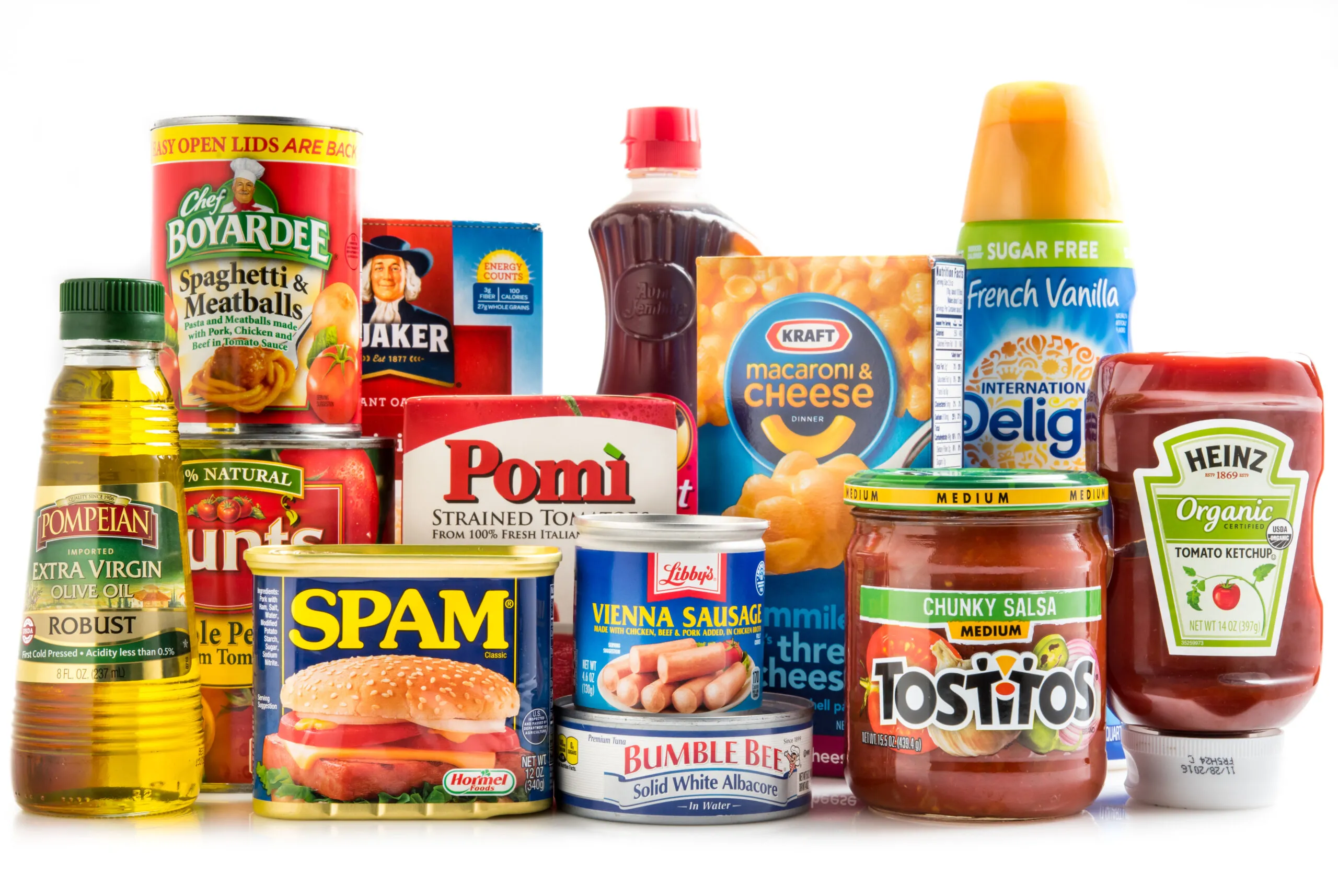
This pressure has started to produce policy movement. The FDA’s Human Foods Program said in February 2026 that it plans to publish a proposed regulation this year that would require submission to the agency of GRAS notices for all new substances claimed to be generally recognized as safe. That would mark a significant shift from the current voluntary model toward a more transparent system. Separately, Reuters reported last year that federal officials had already moved to revisit the self-affirmed GRAS rule, with the stated goal of increasing public disclosure and strengthening consumer protection.
That possible reform is important because it suggests the debate is no longer confined to watchdog groups and consumer advocates. It is increasingly part of a broader reassessment of how the US regulates food ingredients, especially at a time when concerns about ultra-processed foods, synthetic additives, and long-term dietary exposure are becoming more prominent. Recent moves by food companies to phase out some artificial dyes have shown that consumer pressure and regulatory pressure can alter industry behavior, even if slowly. The deeper issue now is whether similar momentum will extend beyond food coloring and into the larger architecture of ingredient oversight.
What this investigation ultimately exposes is a trust problem. Consumers are being asked to rely on a system in which some safety determinations may be made behind closed doors, using data they cannot see, for ingredients they do not fully understand, in products they assume are being independently monitored. That does not mean every undisclosed GRAS determination is dangerous. But it does mean the burden of trust has grown heavier than it should be. In a food system as large and complex as that of the United States, transparency is not a luxury. It is a basic part of public confidence.
The investigation also carries relevance beyond the United States. Caribbean importers, retailers, and consumers depend heavily on American packaged foods, beverages, supplements, and food ingredients. Any serious concern about how additives are reviewed in the US can therefore have implications for Caribbean public health discussions, food labeling awareness, and import oversight. Territories and countries in the region may not control the US regulatory process, but they are often exposed to its outcomes through the products that fill supermarket shelves. This is a reason for Caribbean health authorities and consumer agencies to pay close attention to any future FDA reform in this area. This regional implication is an inference based on the Caribbean’s reliance on imported US food products.
For now, the most important takeaway is that the controversy is not about panic, but about disclosure. Consumers do not need to be told that every unfamiliar ingredient is toxic. They do, however, have a reasonable expectation that substances added to food should be subject to a system that is visible, credible, and accountable. If the FDA moves ahead with mandatory GRAS notifications, it could begin to close one of the more troubling blind spots in the modern food chain. Until then, this investigation has served as a reminder that what is missing from the label can matter almost as much as what appears on it.
Source credit: Expanded and adapted from CNN’s March 3, 2026 report on the investigation into “secret” food additives, with additional context from the Environmental Working Group and the US Food and Drug Administration.