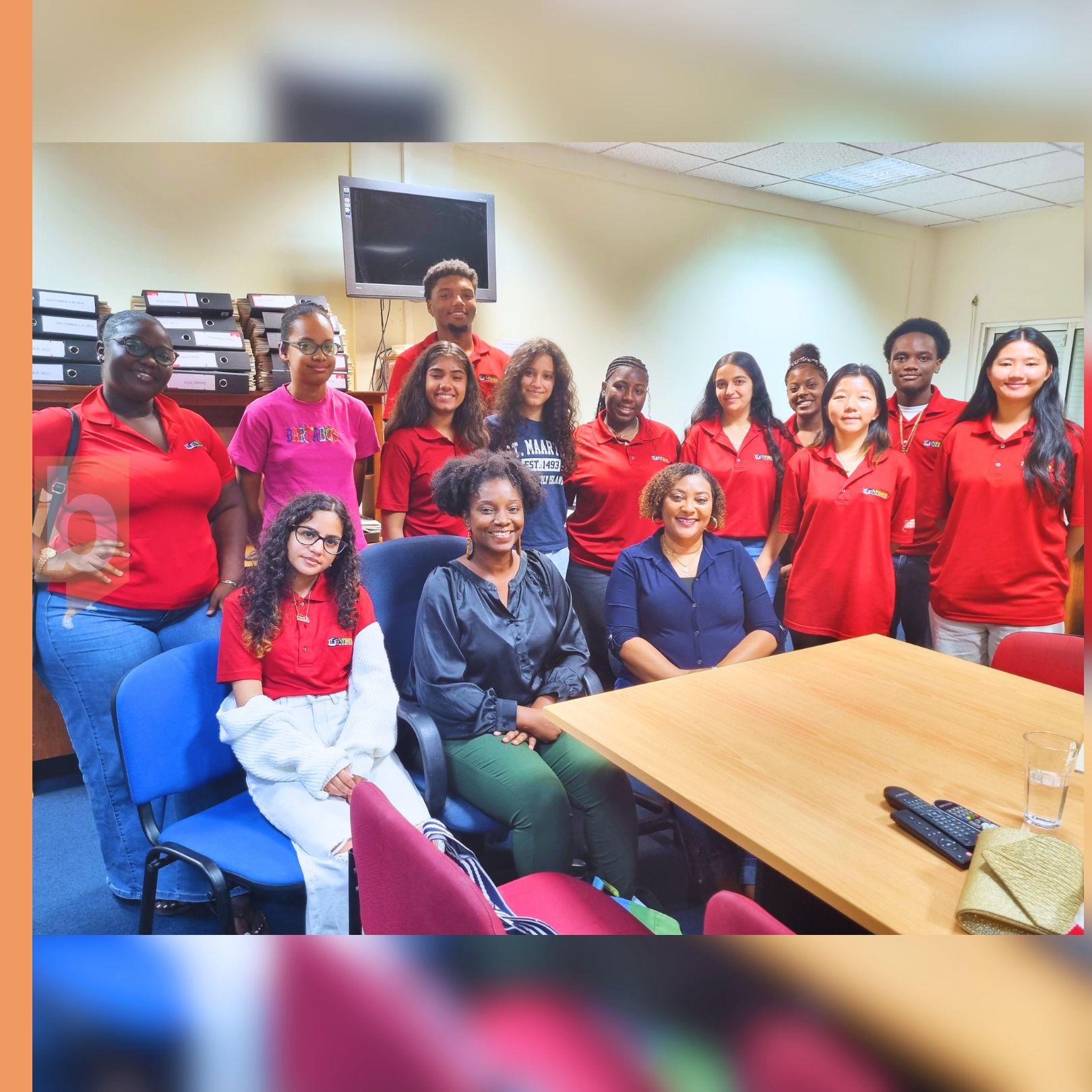



GREAT BAY--Members of Teen Times put domestic violence under the microscope on Saturday, November 22, when they used their weekly meeting to sit down with Ombudsman Gwendolien Mossel and her legal advisor, Aishira Cicilia, to discuss how abuse affects young people in St. Maarten.
The visit formed part of the Ombudsman’s new systemic investigation into domestic violence cases, launched after a worrying rise in reports at the end of 2024 and the start of 2025, many of which involve children. The investigation, initiated under article 16, paragraph 5, of the National Ordinance Ombudsman, seeks to uncover structural gaps in laws, policies, and services and to recommend improvements that better protect victims. Teen Times was identified as one of the youth stakeholders to provide input for this process.
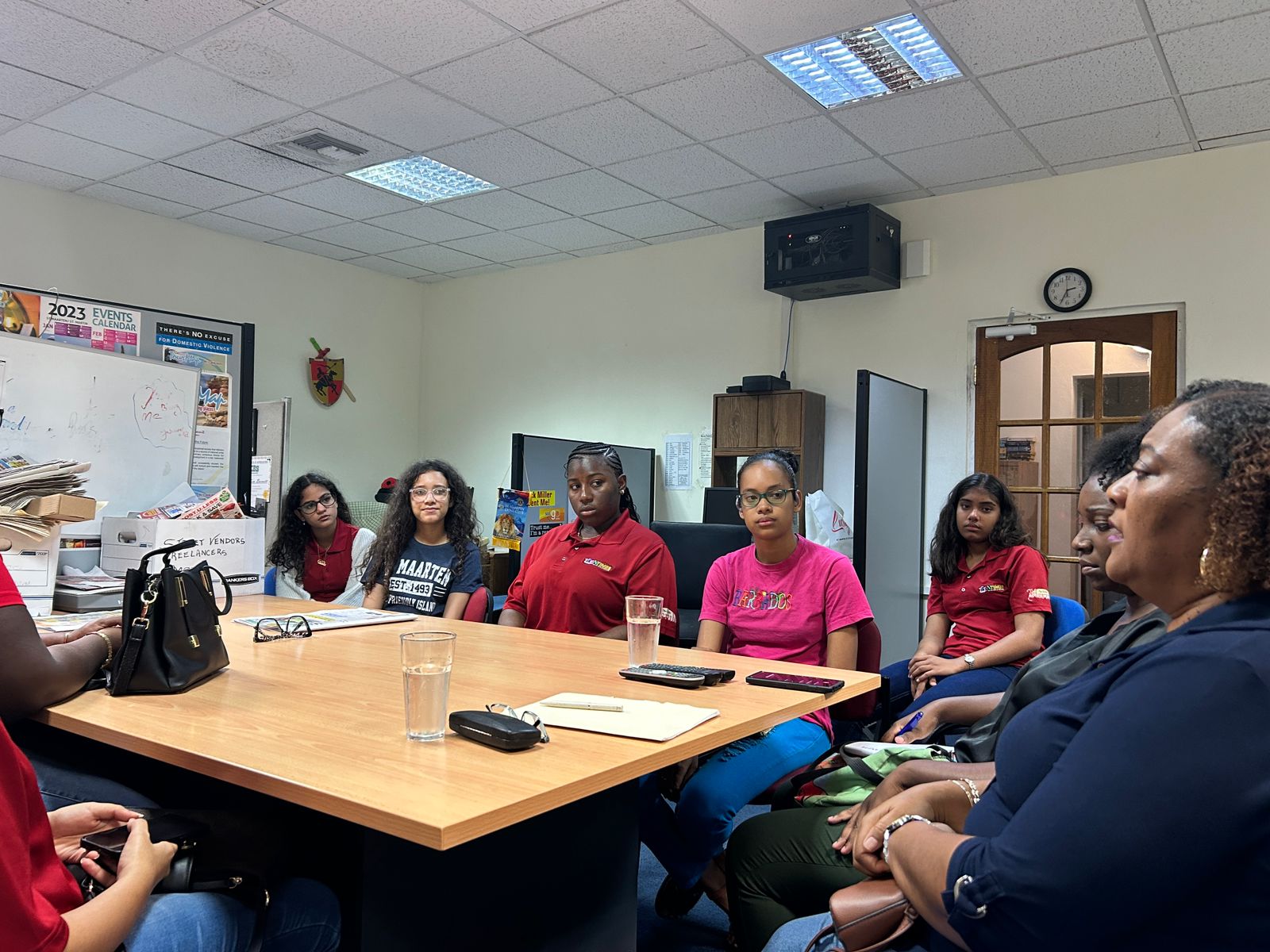
During the session, Ombudsman Mossel explained the role of the Ombudsman, which includes receiving complaints from the public, investigating concerns about government bodies, and advocating for fair treatment. She outlined how the investigation will look not only at individual cases, but also at the adequacy of government services and whether cultural attitudes and legal loopholes are undermining protection for children and families.
Teen Times members then turned the spotlight on their own realities. Several teens shared experiences of witnessing abuse in their surroundings or extended families. They stressed that domestic violence is not limited to physical harm and that verbal and emotional abuse can damage a young person’s mental health just as deeply. Some participants said that, in their circles, shouting, insults, and constant put downs are so common that many teens no longer recognize this behavior as abuse.
The group discussed how changing family dynamics and pressures at home shape youth behavior. Some felt that younger children today act out or become aggressive because they have no safe space to express what they are going through. Others noted that what happens online spills over into the home. Trends on social media, including bullying and the glorification of harsh interactions, can make aggression seem normal. The teens argued that parents often underestimate the impact of digital life and that limiting or supervising access may help reduce some forms of abuse, particularly cyberbullying that follows young people into their bedrooms.
A recurring point was the blurred line between discipline and abuse. Teen Times members said many parents believe in strict discipline because it is how they were raised. Some adults repeat the same patterns, convinced that “if I went through it, you can too.” The teens agreed that discipline is important, but they felt that hitting, humiliating, or threatening children crosses a line and becomes abuse. They also discussed corporal punishment, saying that if it is used, it should never stand alone but should be paired with conversation, guidance, and where needed, access to professional therapy so that both parents and children can break cycles of violence.
The discussion also moved beyond the household to look at the wider society. Participants pointed to socio economic stress, unemployment, and financial pressure as major drivers of tension at home. When adults are struggling, they may take out their frustration on their partners or children. Peer pressure can also pull teens into harmful situations, whether by encouraging them to dismiss abusive behavior as normal or by pushing them to act violently themselves.
Mossel and Cicilia invited the teens to think about solutions, especially those that could resonate with young people. The group proposed more interactive and engaging events focused on domestic violence and healthy relationships, rather than dry lectures. They suggested campaigns that use social media, music, and creative content to speak the language of youth, along with school based sessions where students can ask questions anonymously and safely.
Counseling and accessible support services were another priority. Teen Times members felt that many young people do not know where to turn when they see or experience abuse. The teens also said that when government or other institutions organize activities, these initiatives should be genuine efforts to help, not just publicity exercises.
The meeting closed with a look at legal and institutional changes. The youths were informed that the systemic investigation will explore gaps in service delivery and child protection, and that the Ombudsman is considering recommendations that include stronger safeguards for children and clearer standards around corporal punishment. They also heard about plans under consideration for legislation related to a children’s institution that could provide additional protection and support.
For Teen Times, the meeting was an opportunity to move from reporting on social issues to actively helping shape solutions. For the Ombudsman, it was a crucial step in ensuring that the voices of youth are part of the national conversation on domestic violence and child protection, as the investigation continues to collect evidence and develop recommendations for change.
Join Our Community Today
Subscribe to our mailing list to be the first to receive
breaking news, updates, and more.