

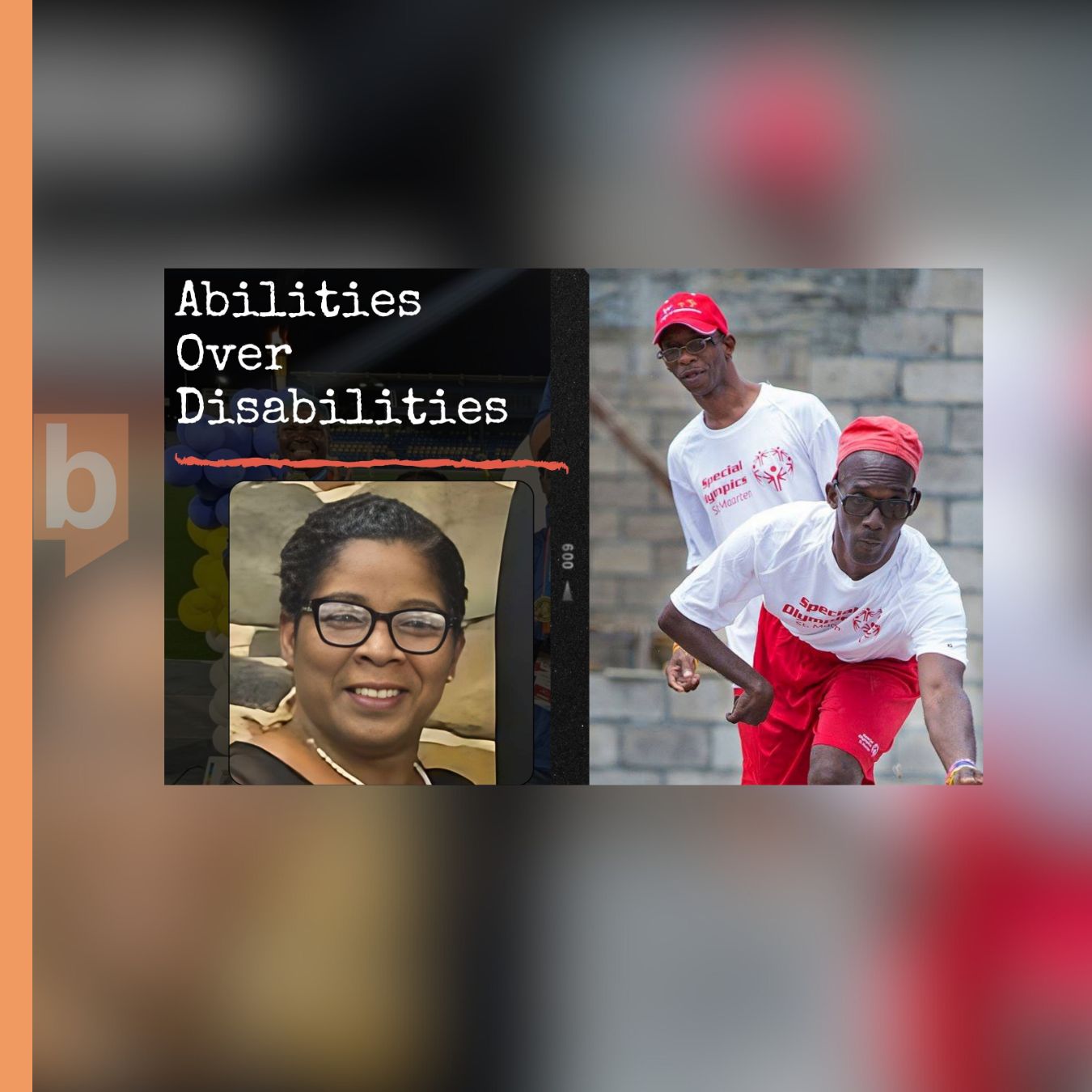



When Sharon Cangieter talks about the athletes of Special Olympics St. Maarten, the conviction is real.
“I fell in love with the athletes and their confidence,” she says. “It showed me how privileged we are, yet we make life so difficult and take things for granted. I would not trade working with our athletes.”
That sense of purpose guides her work as National Director of Special Olympics St. Maarten, a role that places her at the center of one of the island’s most important movements for inclusion.
From Public Relations to Purpose
Cangieter did not set out to lead the organization. She was first introduced to Special Olympics by a colleague who served on its board and invited her to join as Public Relations Officer.
Once she met the athletes, something shifted. Their acceptance of themselves, their joy in competing on their own terms, and the way they embraced life pulled her in. What began as communications support became a calling.
Today she serves as National Director, or Chief Executive Officer as the position is known in the global Special Olympics structure. The job is not ceremonial. It combines strategy, management, advocacy, and constant coordination.
Her responsibilities include:
- Strategic leadership: Implementing the vision and mission of Special Olympics St. Maarten as set by the board, and developing long term plans for growth.
- Program oversight: Ensuring athlete programs, training, competitions, and events are planned, executed, and evaluated properly.
- Stakeholder engagement: Building relationships with government, corporate sponsors, regional Special Olympics offices, volunteers, families, and the wider community.
- Financial management: Overseeing budgets, fundraising, and resource allocation so the organization remains sustainable, transparent, and accountable.
- Advocacy and representation: Serving as the public face of the movement, speaking for the rights, inclusion, and recognition of athletes, locally, regionally, and internationally.
- Team leadership: Managing staff, volunteers, and coordinators, and building a culture that reflects Special Olympics values.
In short, Cangieter must keep the organization running smoothly while making sure athletes are supported and the program continues to grow as a leader in sports, inclusion, and empowerment on St. Maarten.
The Board Behind the Movement
Although she is the operational head, Cangieter is not alone. Special Olympics St. Maarten also has a Board of Directors that carries responsibility for governance and oversight.
The board sets the long term vision and goals, adopts key policies, approves major initiatives, and monitors performance. It also guards financial stewardship, approves budgets, and oversees fundraising and sponsorships. Importantly, the board supports and evaluates the National Director.
In that shared structure, the board focuses on direction and accountability, while Cangieter and her team handle the daily work of running programs and serving athletes.
Law Enforcement as Partners: The Torch Run
Another pillar of support is the Law Enforcement Torch Run, better known as LETR. Many residents see police officers running with a flame before Special Olympics events. Behind that image stands a detailed partnership.
LETR is a program that involves officers from the police, border control, and other security agencies. They raise awareness, collect funds, and act as visible advocates for athletes with intellectual and physical disabilities.
One of their signature activities is the Torch Run, where officers carry the Special Olympics flame through communities as a symbol of courage, inclusion, and hope. They also organize fundraising events, engage the public, and help shift perceptions about people with special abilities.
On St. Maarten, LETR reports to the National Director of Special Olympics St. Maarten for the purposes of the movement’s work. While officers maintain their regular duties within their agencies, their Special Olympics activities are coordinated with Cangieter or a designated LETR coordinator, who receives updates on fundraising, outreach, and Torch Run events.
“This structure keeps activities aligned with our mission and ensures that everything LETR does directly benefits the athletes and programs,” she explains.
What People Get Wrong About “Normal”
Ask Cangieter about the biggest misconception she encounters and the answer comes quickly.
“The biggest misconception is the idea that persons with special abilities are not capable of leading a ‘normal life’,” she says. “This could not be further from the truth.”
She points out that many people define “normal” only by what they are accustomed to. People with special abilities live lives that are normal for them, adapted to their capabilities. They experience joy, achievement, and fulfillment just like anyone else.
She believes that in some ways persons with special abilities may live richer and more content lives, because they often have a clearer appreciation for simple joys.
The most painful misconception, she says, is when families feel shame or treat a child with special abilities as a burden or a curse, sometimes hiding them from public view. That attitude damages self esteem and blocks opportunities to participate fully in community life.
“If we take a moment to see life through their eyes, we begin to realize the immense value and vibrancy they bring,” she explains. “By challenging these misconceptions, we create a society that celebrates abilities, embraces diversity, and ensures that everyone can participate based on their ability.”
A Medal Count that Tells a Bigger Story
The achievements of Special Olympics St. Maarten in recent years read like a competition calendar filled with milestones. For Cangieter, each result has a story behind it.
Hosting National Games on the island with athletes from neighboring Caribbean programs was one of the important markers. It showed how far the local program had come and deepened regional ties.
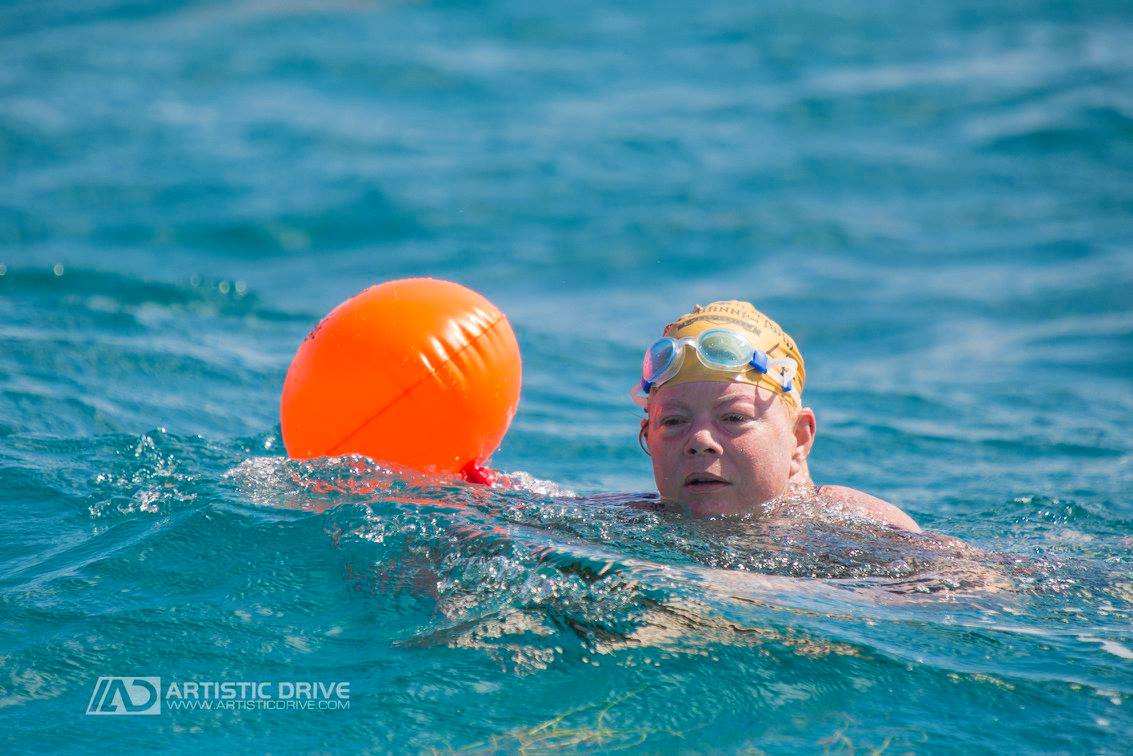
Another highlight was a Cross Channel Swim Meet between Nevis and St. Kitts, where a St. Maarten athlete earned a silver medal after a difficult open water challenge.
At a Bocce Tournament in the Cayman Islands, St. Maarten athletes brought home gold. That result confirmed how sustained training and teamwork were paying off.
Then there was the World Games in Berlin. The team did not return with medals, but the story behind that result is one Cangieter repeats with pride. The athletes were disqualified for being too fast for the division in which they were registered, a consequence of their training progress and the lack of divisioning before the Games began.
“They proved their strength, growth, and readiness to compete at higher levels,” she says.
The Special Olympics Kingdom Games also stand out. In Bonaire, the team earned seven medals. At the most recent Kingdom Games in Curaçao, they came home with ten.
Behind every statistic lies work. Coaches train athletes week after week. Volunteers and families keep schedules, fundraise, organize travel, support practices, and advocate for better facilities. Board members and sponsors manage budgets and logistics.
“Together we are building a more inclusive and supportive Special Olympics St. Maarten where our athletes are uplifted, celebrated, and given every opportunity to reach their full potential,” Cangieter says.

Funding, Facilities, and Mindsets
None of this has been simple.
“Every success has come with challenges,” she acknowledges.
Funding remains one of the biggest obstacles. Quality training, equipment, uniforms, and international competition all require money. Keeping support at a consistent level is difficult.
Facilities are another pressure point. Access to safe, suitable training spaces is limited, and the program often has to adapt or share venues, which affects how often and how intensively athletes can train.
Changing community attitudes is just as demanding. Misconceptions about persons with special abilities still linger. Some people see them as less capable or as a burden. Special Olympics must constantly educate, reach out, and advocate so that athletes are seen as full participants in society, not as an afterthought.
Despite these barriers, Cangieter points to the resilience of the athletes and the commitment of coaches, families, volunteers, and supporters. Those qualities keep the organization moving forward.
Corporate Support and the Road to 2027
Asked about current public and corporate backing, Cangieter answers with honesty.
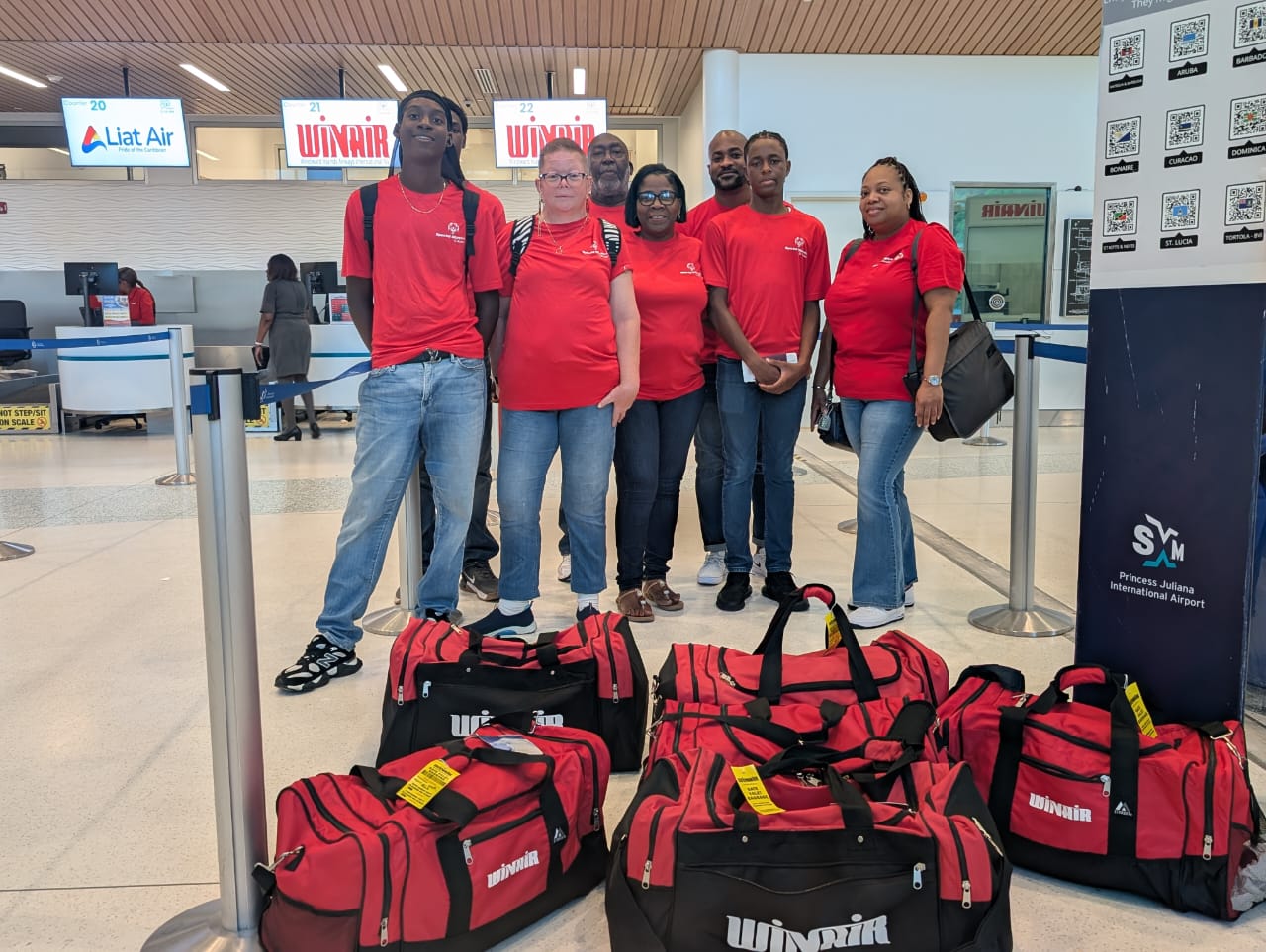
Corporate support on the island is still limited. The organization is deeply grateful to companies such as WINAIR and Motorworld, who have contributed when approached, but most of the substantive support comes from outside the island.
The Caribbean Initiative office in Jamaica and Special Olympics North America play major roles in helping athletes participate in competitions and development programs. Their support has been crucial.
Cangieter hopes that more local companies will step up, especially with a major event on the horizon. In 2027, St. Maarten will host the next Special Olympics Kingdom Games.
“With the Kingdom Games coming to St. Maarten, we are particularly looking forward to engaging Corporate St. Maarten, local businesses, and volunteers,” she notes. “Their support will be crucial in providing our athletes with the resources, facilities, and opportunities they deserve.”
Hosting the Kingdom Games: What It Means
For Cangieter, hosting the Kingdom Games is more than a sports calendar item.
“For our athletes, it means the chance to compete at home, in front of family, friends, and the local community,” she explains. Competing locally removes many of the travel logistics that can weigh on athletes and staff and allows them to focus fully on performance.
For Special Olympics St. Maarten as an organization, the Games are both a privilege and a test. They provide an opportunity to show that the island can manage a large multi sport event, strengthen links with Dutch Caribbean and Netherlands programs, and attract greater awareness, volunteers, and sponsorships.
For the country’s image within the Kingdom, hosting the Games signals that St. Maarten is serious about inclusion, accessibility, and community support. It sends a clear message that the island values all athletes and can host events that meet international standards.
“It highlights our hospitality, organizational capacity, and commitment to empowering persons with special abilities,” Cangieter says. “It can leave a lasting positive impression across the Kingdom.”
The Work Behind the Stage
Winning the bid to host the Kingdom Games did not happen in a vacuum.
“This landmark event could not have happened without the approval and support of Minister of Education, Culture, Youth and Sport Melissa Gumbs, the Ministry of Health, the State Secretary for Youth, Prevention and Sport, the Ministry of Welfare and Sport in the Netherlands, Ms. Judithe Zs. C. M. Tielen, and Mr. Niels Cannegieter of Thinc Ahead,” Cangieter explains.
Preparing for the Games will require months of work. The team must secure venues, equipment, and accommodations, coordinate transportation for athletes and delegations, ensure accessibility at every site, recruit and train volunteers, and plan medical coverage. Scheduling events, managing logistics, and keeping athletes at the center of every decision are all part of the job.
Fundraising and sponsorships are essential. So is community engagement, which can turn the Games into a national moment of pride, not just a tournament.
Local businesses can participate in many ways:
- Providing financial sponsorship
- Donating meals, transportation, uniforms, or equipment
- Offering staff time as volunteers or technical expertise for event operations
Their involvement improves what athletes experience and strengthens community bonds around inclusion.
Lessons from the Athletes
Spending time with Special Olympics athletes has changed Cangieter’s understanding of resilience, joy, and leadership.
“They show up, train hard, and keep pushing themselves to improve, no matter the challenge,” she says. “Their joy is infectious. They celebrate small victories with genuine happiness.”
She has seen many athletes act as leaders. Some encourage their teammates, some support others during difficult moments, and some lead quietly through example and attitude. For her, this is leadership at its purest, not tied to job titles or status.
“If more people in St. Maarten could see and understand these qualities, I believe our community would be stronger, more inclusive, and more compassionate,” she says. “These athletes remind us that strength, courage, and happiness often come from the heart, not from circumstance.”
A Ten Year Vision
Looking five to ten years ahead, Cangieter’s vision for Special Olympics St. Maarten is clear.
She wants the organization to be firmly recognized as a leader in sports, inclusion, and empowerment for persons with special abilities, with official recognition embedded in the national budget.
She hopes to see a sports facility built specifically for Special Olympics athletes, designed for their abilities and needs, providing a safe and supportive environment for training and competition.
She also wants unified sports to grow, with persons with and without disabilities playing side by side, building respect and teamwork in real time.
The legacy she hopes to leave is simple and ambitious at once:
- Every athlete feels celebrated and empowered.
- St. Maarten is known as a community that values abilities over disabilities.
- Inclusion is backed by sustained support from government, corporate partners, and the public.
“Ultimately, I hope our work inspires a culture of acceptance, pride, and empowerment,” Cangieter says, “so that all persons, regardless of ability, can thrive and contribute meaningfully to society.”
In her world, normal is not a narrow standard. It is a promise that everyone deserves a chance to live fully, play fully, and be seen.
Join Our Community Today
Subscribe to our mailing list to be the first to receive
breaking news, updates, and more.
